Cabling, Bracing & Structural Support
Advanced tree support systems to strengthen weak limbs and extend the life of valuable trees.
Why Trees Need Structural Support
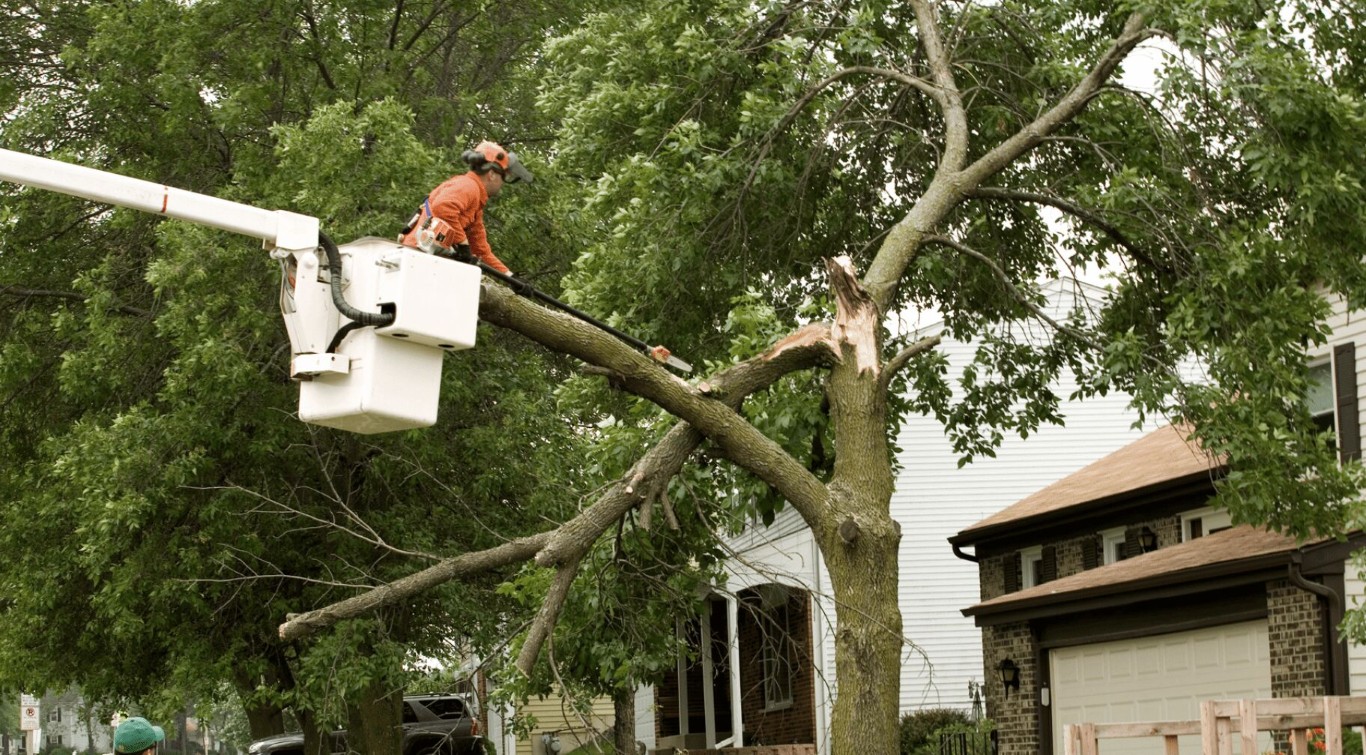
Some trees have weak branches or split trunks that put them at risk of breaking during storms. These trees might be old, have co-dominant stems, or carry heavy limbs that create stress points. Instead of removing a valuable tree, cabling and bracing can provide the support it needs to stay standing safely.
Cabling involves installing flexible steel cables high in the tree canopy to limit the movement of weak branches. Bracing uses threaded rods to hold split trunks or limbs together, preventing them from separating further. These systems work together to reduce stress on vulnerable areas and extend the life of the tree.
If you have a mature tree with sentimental or landscape value, support systems can save it from removal. Trees that have been on your property for decades deserve a chance to stay. Our cabling and bracing service gives them the structural help they need to remain safe and healthy. If removal is the only option, we can help with safe tree removal instead.
How Cabling and Bracing Work
Installing a cable system starts with a thorough inspection by our certified arborists. We identify weak limbs, V-shaped crotches, or split trunks that need support. Then we determine the best placement for cables to provide maximum strength without interfering with the tree's natural growth.
Cables are installed in the upper portion of the canopy, typically two-thirds of the way up the tree. We drill small holes through the limbs and secure the cables with eye bolts or thimbles. The cables are tensioned to limit excessive movement while still allowing the tree to sway naturally in the wind. This flexibility is important because trees need some movement to stay strong.
Bracing is used when a trunk or large limb has a crack or split. We drill through the wood and insert threaded rods, then secure them with washers and nuts. This holds the split together and prevents it from spreading. Bracing is often combined with cabling for maximum support. After installation, we inspect the system regularly to ensure it remains secure. If you also need tree trimming to reduce weight on weak limbs, we can do that as part of the same visit.
When to Consider Cabling or Bracing
Not every tree needs support systems, but certain conditions make them a good option. Here are signs that your tree might benefit from cabling or bracing:
- •Co-dominant stems: Two main trunks growing in a V-shape that could split apart
- •Heavy horizontal limbs: Long branches that sag or bend under their own weight
- •Visible cracks: Splits in the trunk or large limbs that could worsen over time
- •Storm damage: Trees that survived a storm but show signs of structural weakness
- •Historic or valuable trees: Trees with sentimental, aesthetic, or property value worth preserving
Our arborists can assess your tree and recommend whether cabling, bracing, or another solution is best. Sometimes pruning is enough to reduce stress on weak limbs. Other times, support systems are the only way to keep the tree safe. We will explain your options and help you make the right decision for your property.
Why Choose ModernPro for Tree Support Systems
Installing cabling and bracing requires specialized knowledge and precision. Improper installation can damage the tree or fail to provide adequate support. Our certified arborists are trained in the latest techniques and follow industry standards set by the International Society of Arboriculture.
We have been serving Cheyenne since 2024, helping property owners preserve valuable trees through professional support systems. We use high-quality materials designed to last for years and withstand harsh weather. When you need expert tree care, our team delivers the skill and experience to get it done right.